Before you go
Packing list
Layers matter more than heavy coats: a base layer, a fleece and a windproof shell handle everything from Shimla in March to Pangong in July. Add proper walking shoes, sunscreen, sunglasses and lip balm — high-altitude sun is stronger than most first-time visitors expect.
- Core system
- Base layer, fleece, windproof shell
- Footwear
- Walking shoes with grip
- High altitude
- Sunscreen, sunglasses, lip balm
- Often forgotten
- Power bank, cash, medication
Why layers beat a big coat
Himalayan days swing widely: warm in direct sun at midday and below freezing after dark at the same spot. One heavy coat is wrong at both ends of that range; three thin layers let you match it.
Cash and connectivity
ATMs are unreliable outside Leh, Kaza and the main towns, and mobile coverage is patchy or absent in Spiti and much of Ladakh. Only postpaid Indian SIMs work in Ladakh. Carry cash and tell people at home you will be uncontactable for stretches.
Questions people ask
Do mobile phones work in Ladakh and Spiti?
Partly. In Ladakh only postpaid Indian connections work, and coverage outside Leh is limited. Much of Spiti has no signal at all. Plan for being offline for days rather than hours.
Read next
- Altitude sickness in Ladakh and SpitiAltitude sickness typically begins above 2,500 metres and is common in Leh at 3,500 metres, particularly for travellers who fly in. Headache, nausea and breathlessness at rest are the warning signs. The only reliable treatment is descent, which is why itineraries are built to ascend gradually.
- Leh travel guideLeh sits at about 3,500 metres and is the base for all of Ladakh. Two full days of rest on arrival are not optional if you fly in, because everything else in the region is higher. Most itineraries run seven to nine days from Leh, taking in Nubra, Pangong and the Indus valley monasteries.
- Spiti Valley travel guideSpiti is a high cold desert between 3,000 and 4,500 metres, reached either from Shimla through Kinnaur or from Manali over Kunzum La. The Manali road is open roughly June to October; the Kinnaur road stays open most of the year. Eight to ten days does the full circuit properly.
- Himalayan trekking packagesKashmir Great Lakes and Kinnaur Kailash are the two guided high-altitude treks run as fixed departures, both roughly a week on the trail. Shorter options such as Triund above McLeodganj and Kheerganga above Kasol need no guide and work as day or overnight walks.
Plan your trip
Tell us where you want to go
Leave your name, number and email. One of our travel experts calls you back with a written itinerary and a real price, usually the same day.
- 1Choose your destinationPick a route that matches how long you have and what you want out of it.
- 2Book and pay securelyConfirm the itinerary and pay online through a secure gateway.
- 3Pack and start exploringYour transfers, stays and sightseeing are arranged before you land.
Get a free quote
Three details, nothing more.
Do not take our word for it
Reviews from our travellers
Filmed on their trips, by the families who took them. Nothing here is scripted.
On the road with us
Happy customers
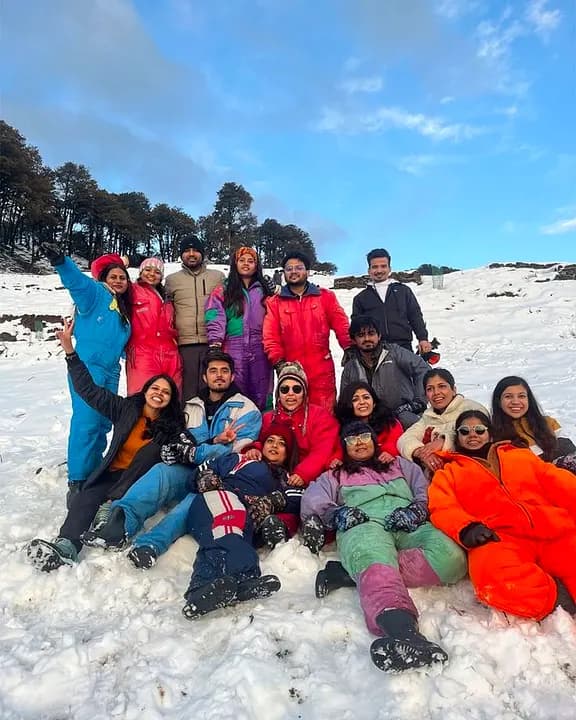
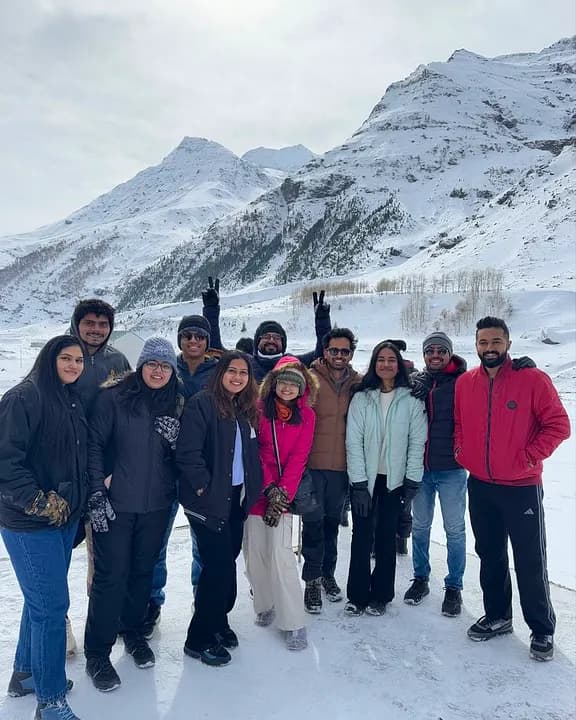
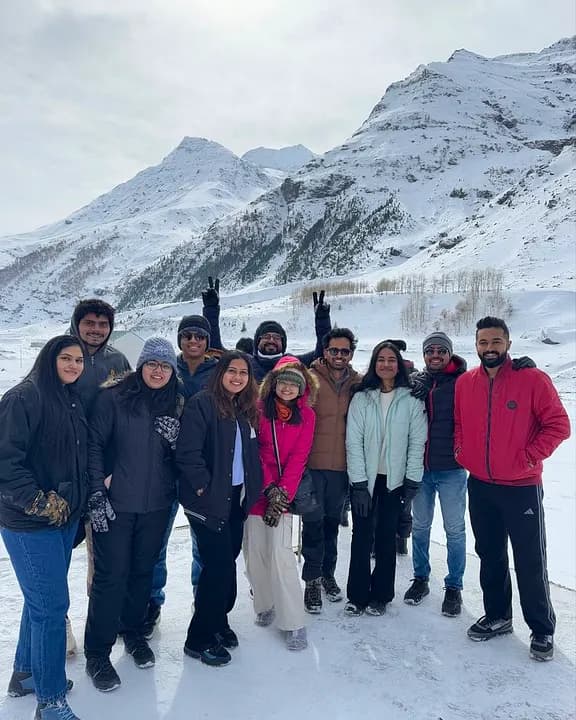
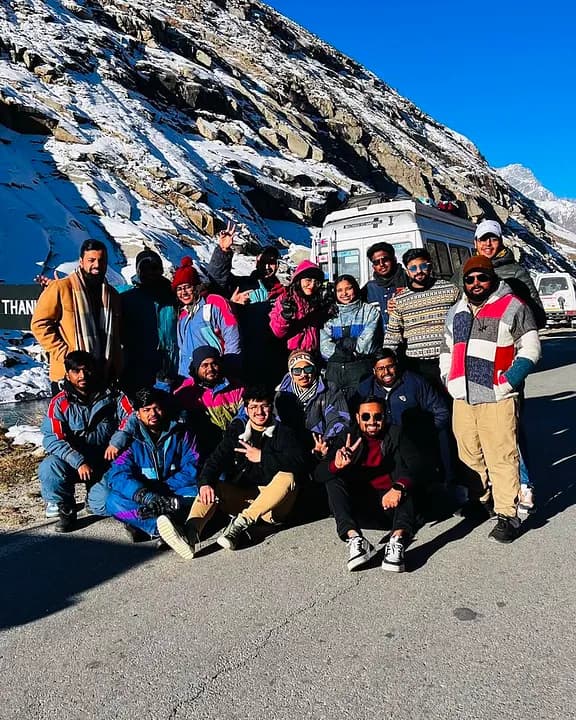
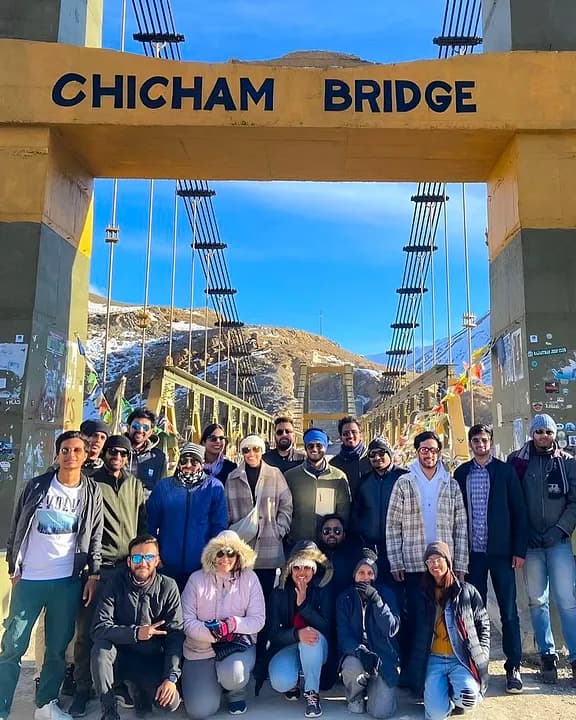
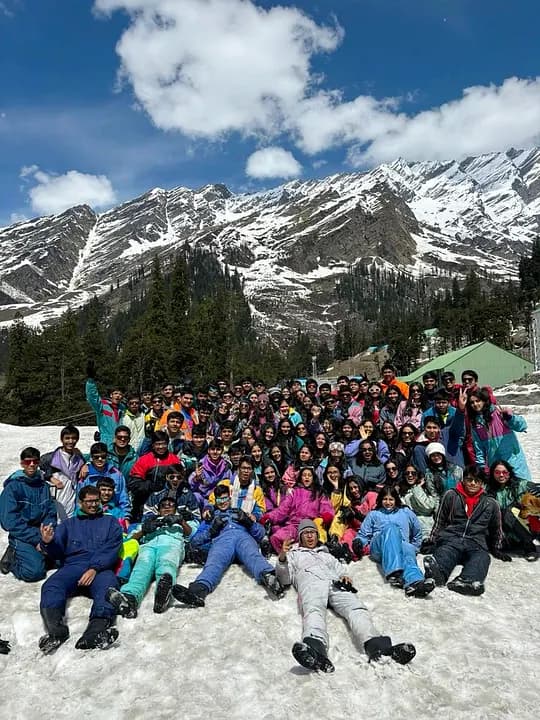
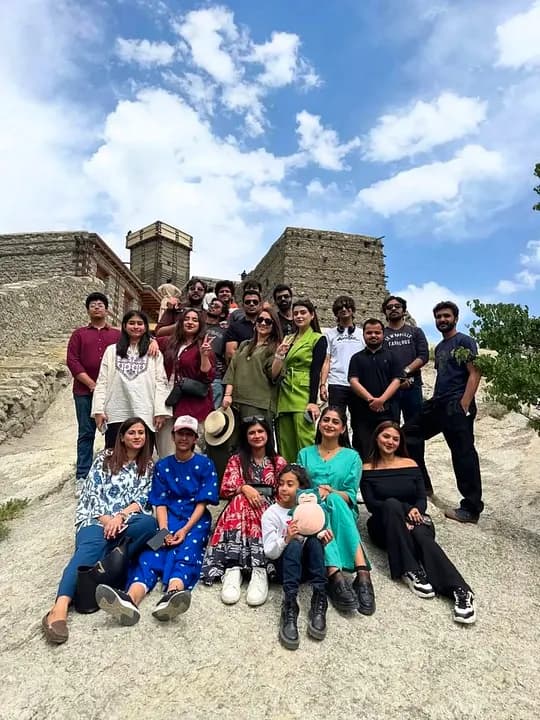
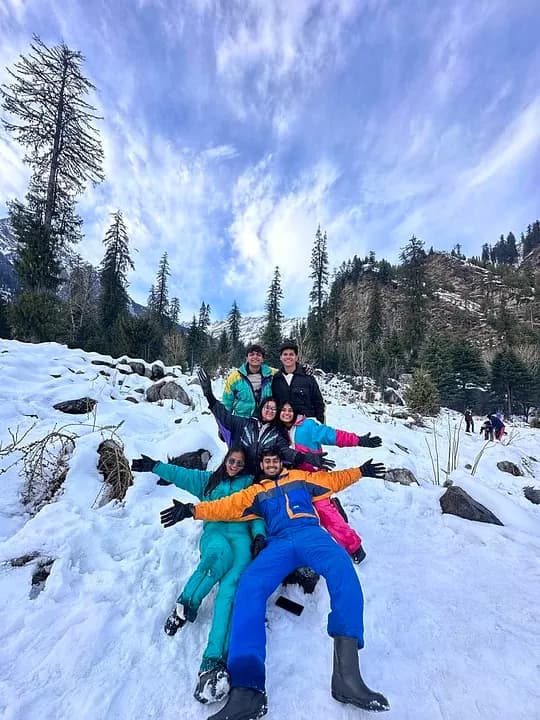
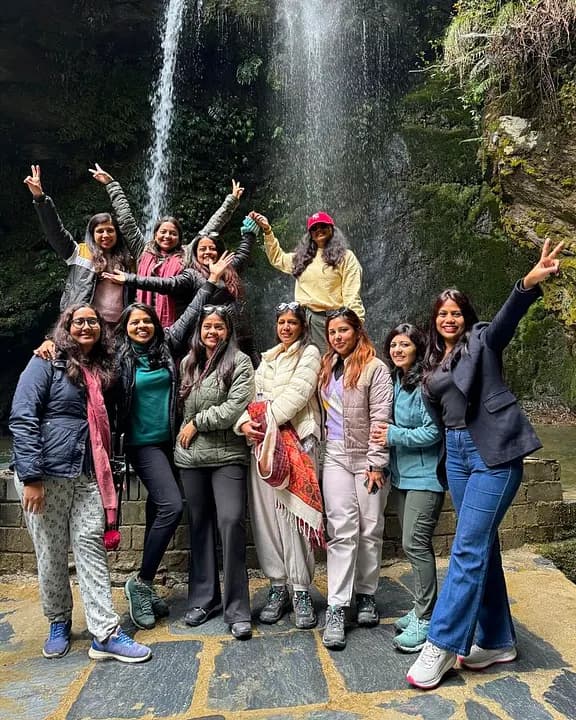
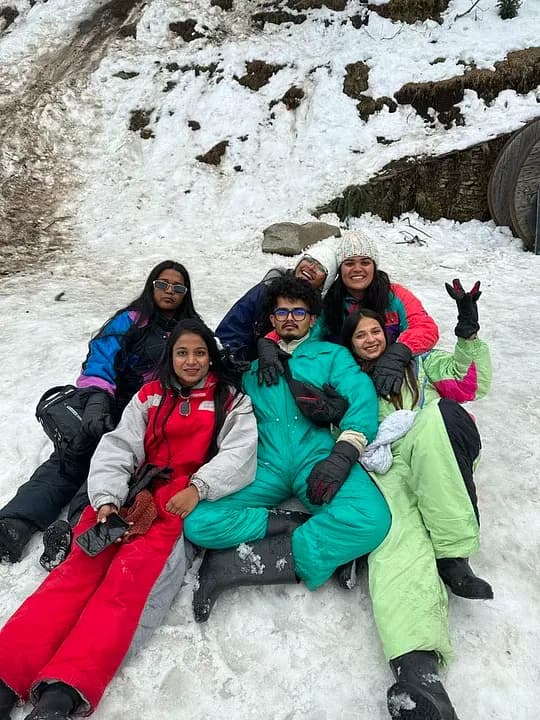
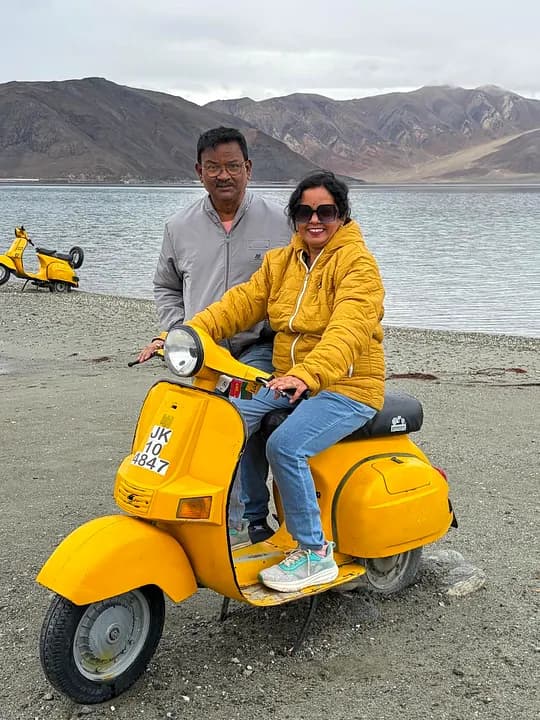
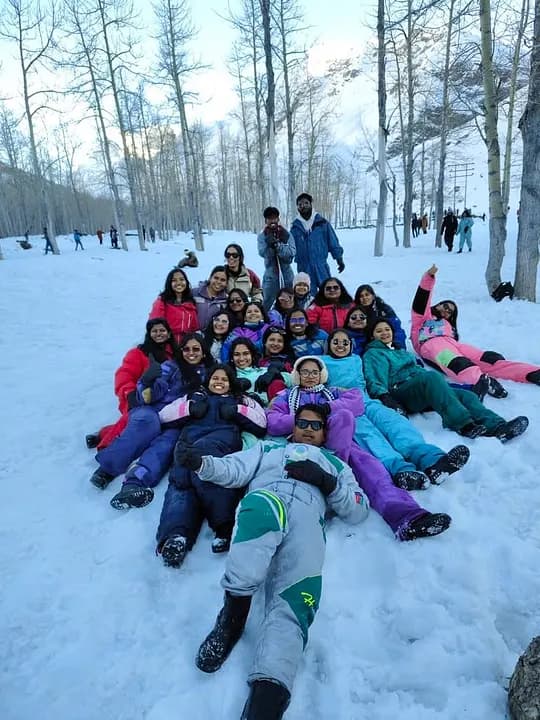
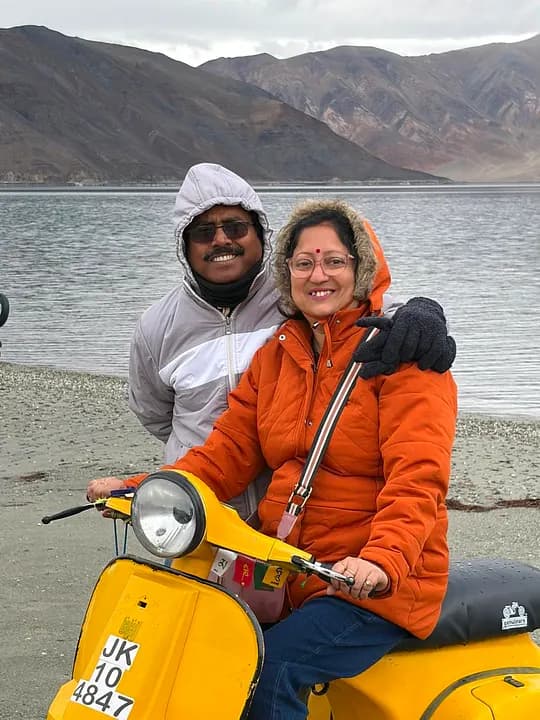
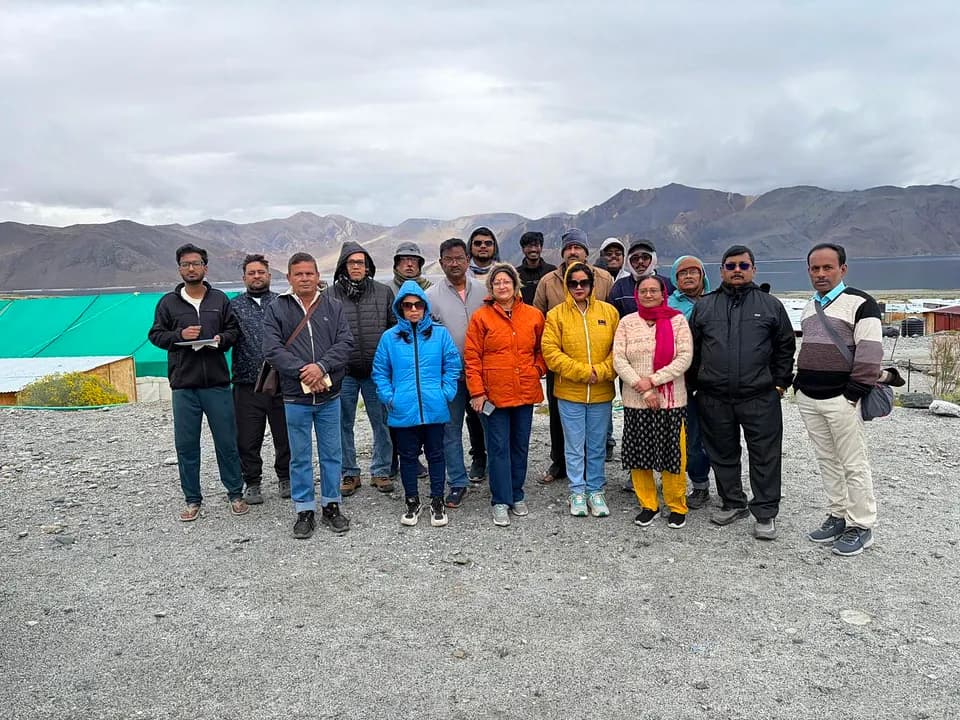
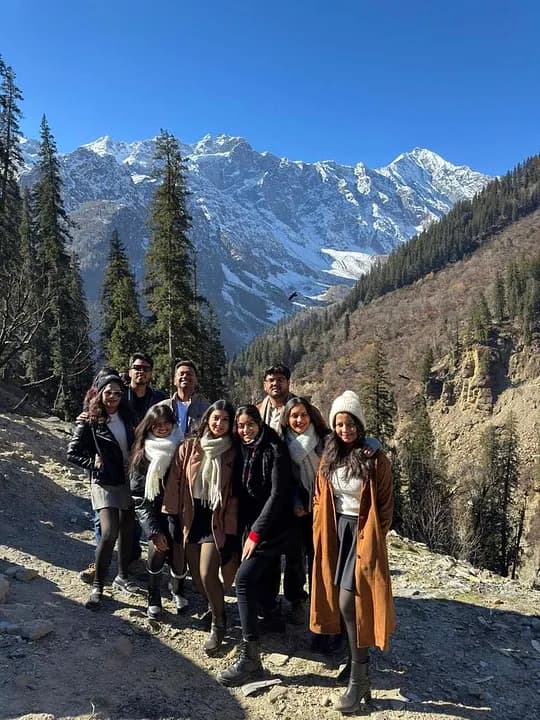
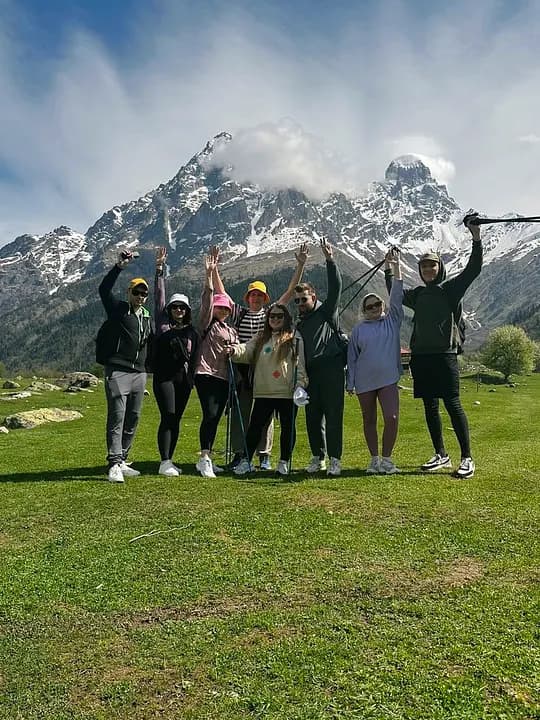
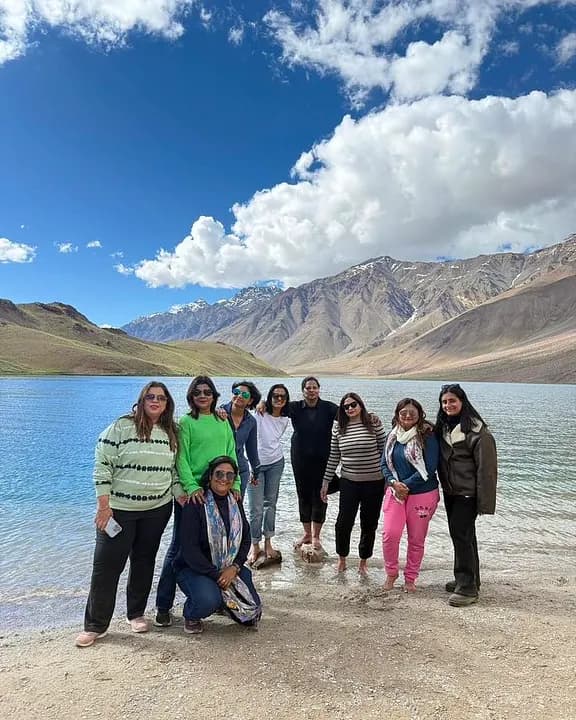
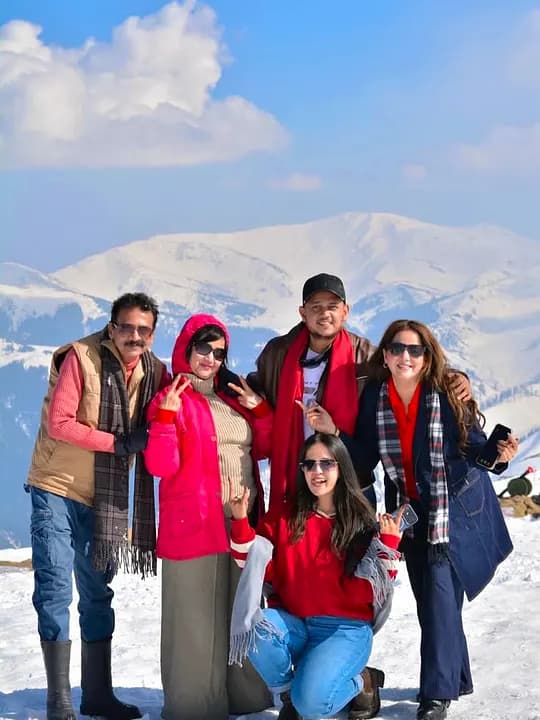
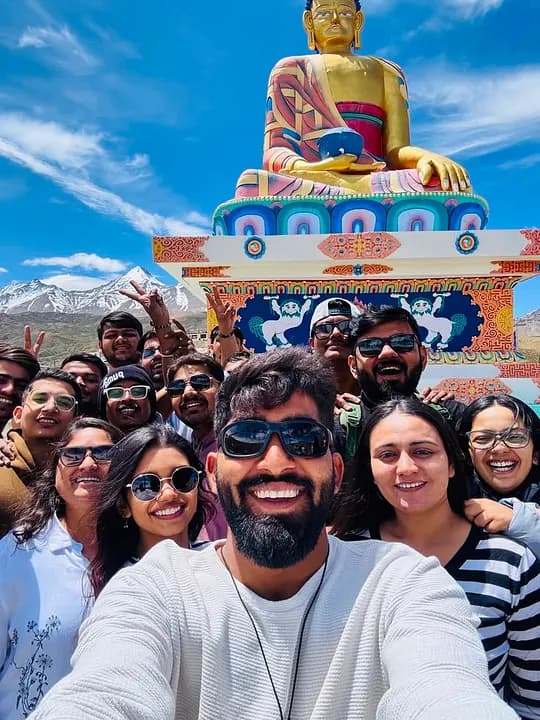
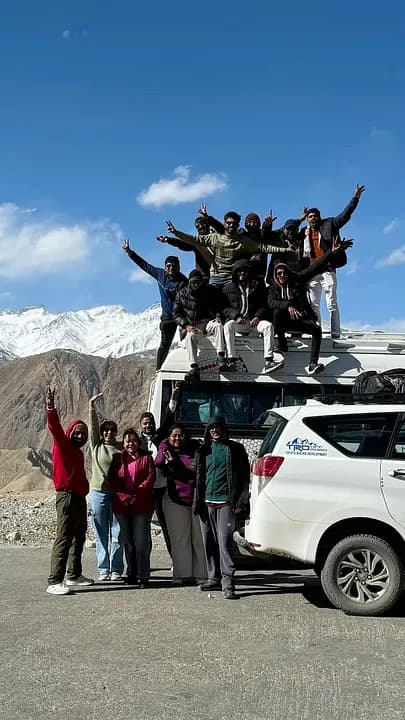
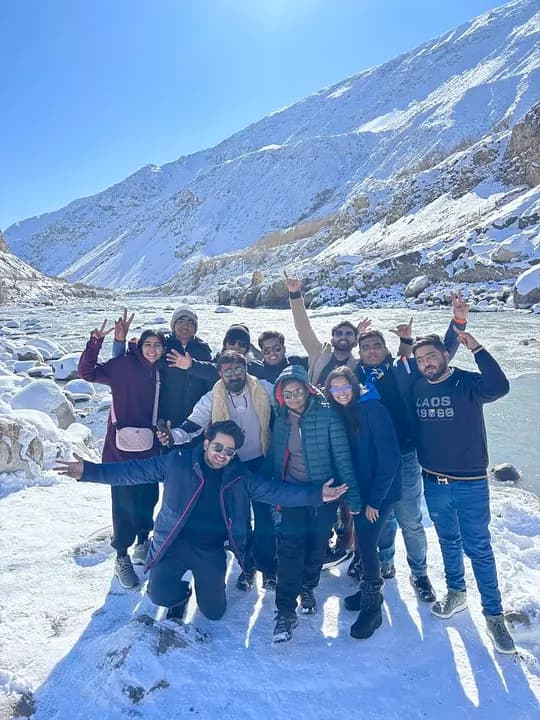
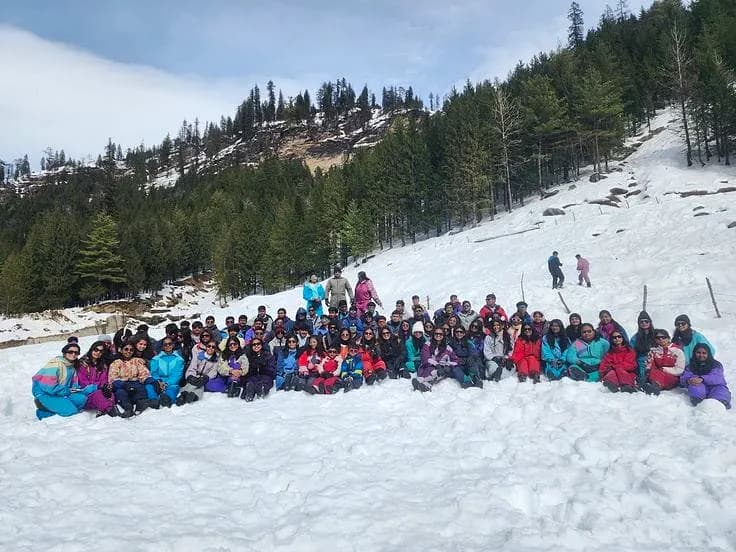
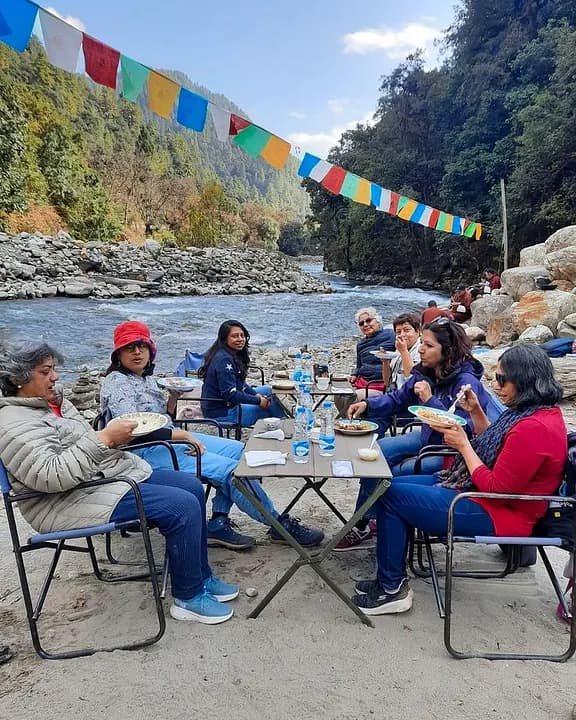
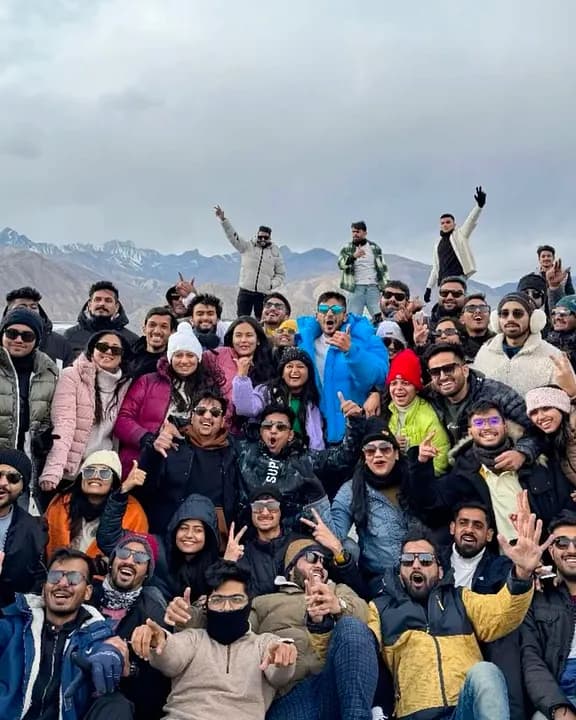
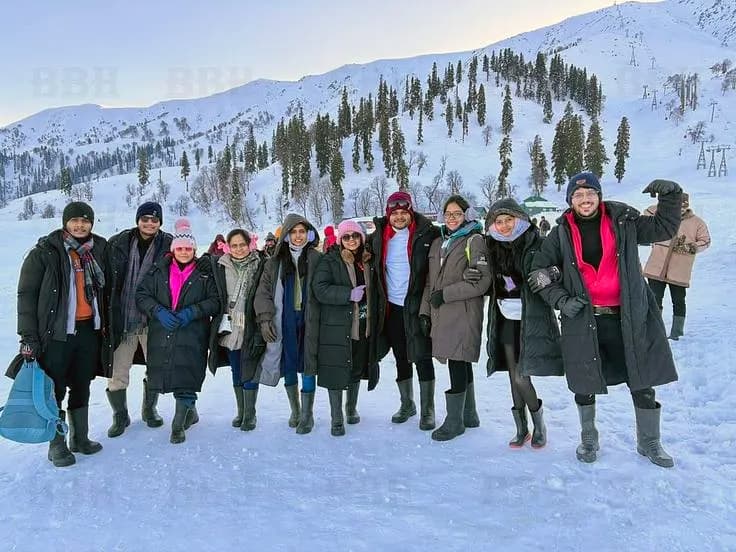
Photographs travellers sent back from their trips. Real families, real places — not a stock photo among them.