Before you go
Altitude sickness
Altitude sickness typically begins above 2,500 metres and is common in Leh at 3,500 metres, particularly for travellers who fly in. Headache, nausea and breathlessness at rest are the warning signs. The only reliable treatment is descent, which is why itineraries are built to ascend gradually.
- Onset
- Usually above 2,500 m
- Leh
- About 3,500 m
- Warning signs
- Headache, nausea, breathless at rest
- Treatment
- Descend
What actually helps
Ascending slowly, resting the first two days, drinking water and avoiding alcohol for the first forty-eight hours. What does not help is pushing through: symptoms that worsen at rest are a reason to go down, not a reason to take another tablet.
Why route direction matters
Flying to Leh or crossing Kunzum La on day one gives the body no adjustment time. Driving up from Srinagar or entering Spiti through Kinnaur spreads the same altitude gain over days. That single choice does more than any medication.
Who should take advice first
Anyone with heart or lung conditions, anyone pregnant, and anyone travelling with young children or elderly parents. This page is general information and not medical advice — speak to a doctor before booking a high-altitude trip.
Questions people ask
How do you avoid altitude sickness in Leh?
Rest for two full days on arrival before going higher, drink plenty of water, skip alcohol for the first two days, and ascend gradually where possible. Driving in rather than flying is the single biggest help.
What are the symptoms of altitude sickness?
Headache, nausea, loss of appetite, poor sleep and breathlessness at rest. If symptoms worsen rather than settle, the correct response is to descend and seek medical help.
Read next
- Leh travel guideLeh sits at about 3,500 metres and is the base for all of Ladakh. Two full days of rest on arrival are not optional if you fly in, because everything else in the region is higher. Most itineraries run seven to nine days from Leh, taking in Nubra, Pangong and the Indus valley monasteries.
- Spiti Valley travel guideSpiti is a high cold desert between 3,000 and 4,500 metres, reached either from Shimla through Kinnaur or from Manali over Kunzum La. The Manali road is open roughly June to October; the Kinnaur road stays open most of the year. Eight to ten days does the full circuit properly.
- How to reach LehLeh has direct flights from Delhi year-round, about ninety minutes. Overland, it is roughly 470 km from Manali and 420 km from Srinagar, both taking two days and both open only from around late May to October. Flying in means two full days of rest before going higher.
- Tours for senior travellersShimla, Dalhousie and Kashmir suit senior travellers, because they stay below 2,700 metres and the sightseeing can be done without long walks. Ladakh, Spiti and the Kedarnath trek are not advisable without medical clearance, since all three involve sustained altitude or sustained climbing.
Plan your trip
Tell us where you want to go
Leave your name, number and email. One of our travel experts calls you back with a written itinerary and a real price, usually the same day.
- 1Choose your destinationPick a route that matches how long you have and what you want out of it.
- 2Book and pay securelyConfirm the itinerary and pay online through a secure gateway.
- 3Pack and start exploringYour transfers, stays and sightseeing are arranged before you land.
Get a free quote
Three details, nothing more.
Do not take our word for it
Reviews from our travellers
Filmed on their trips, by the families who took them. Nothing here is scripted.
On the road with us
Happy customers
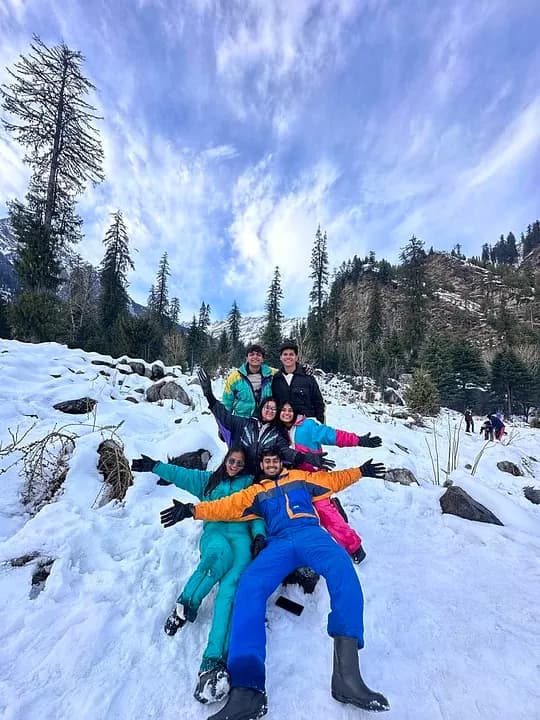
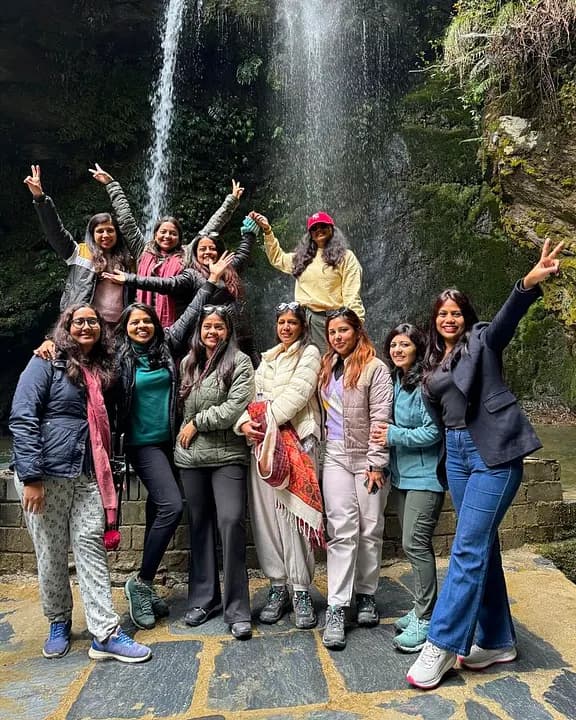
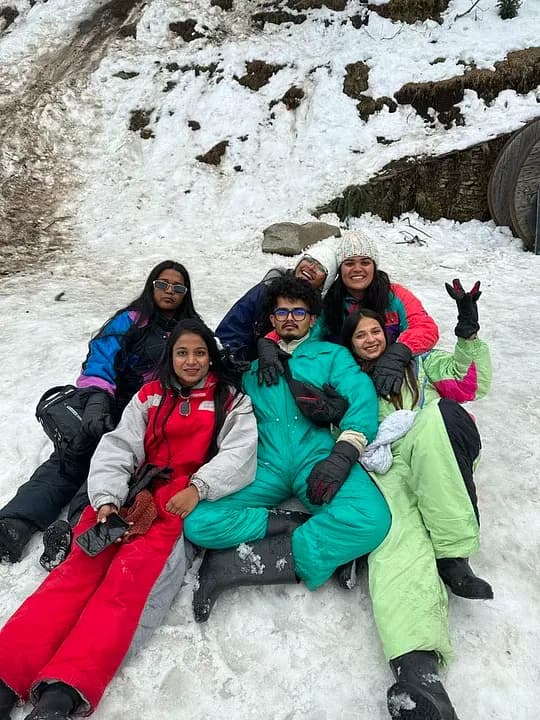
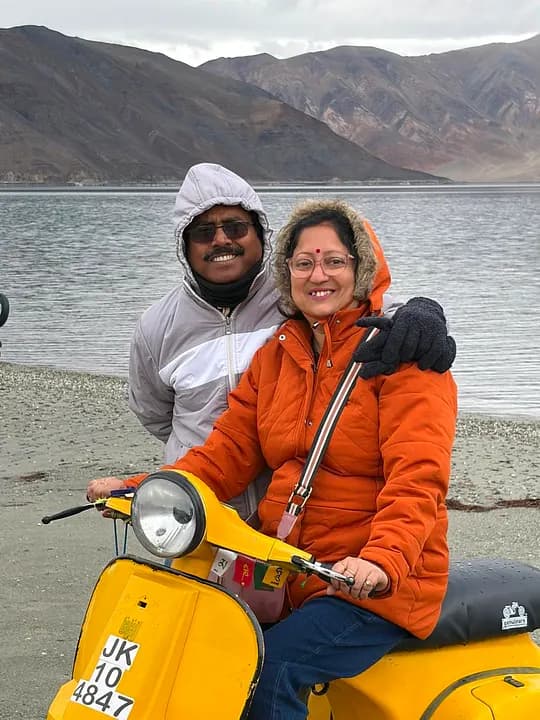
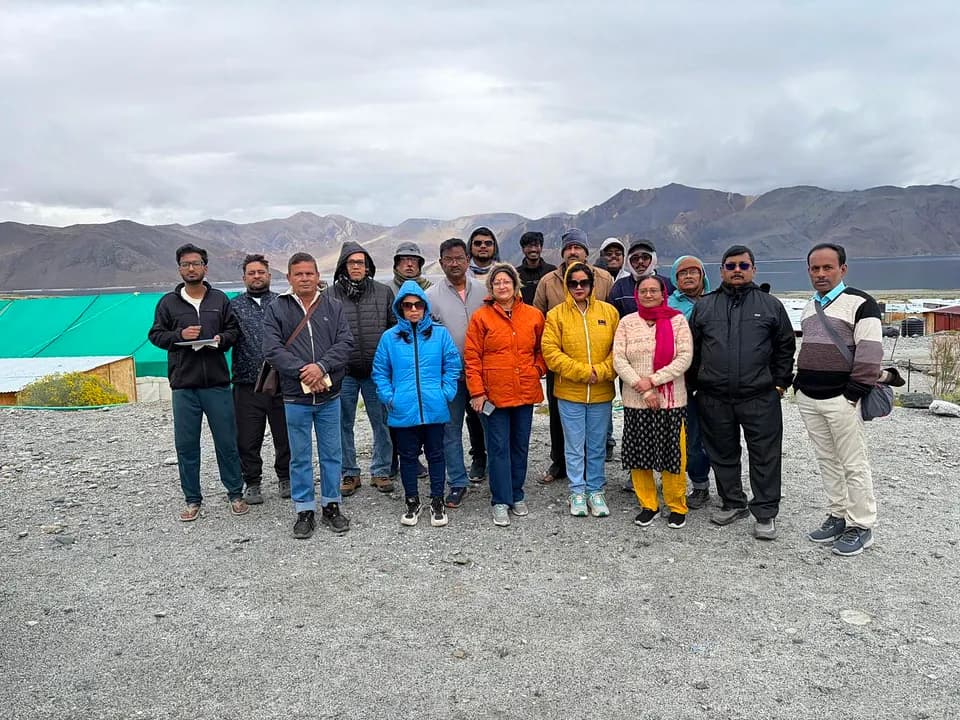
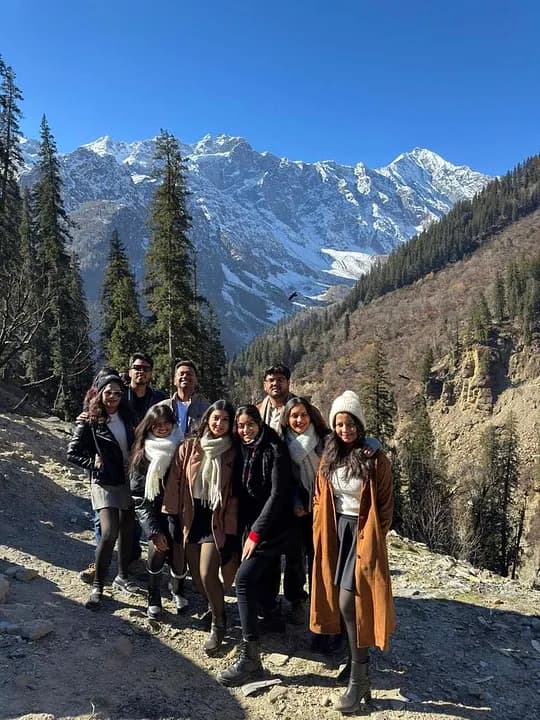
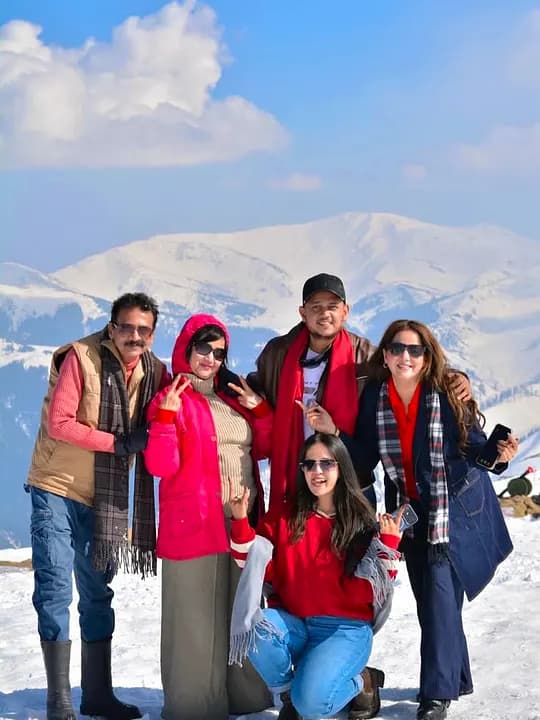
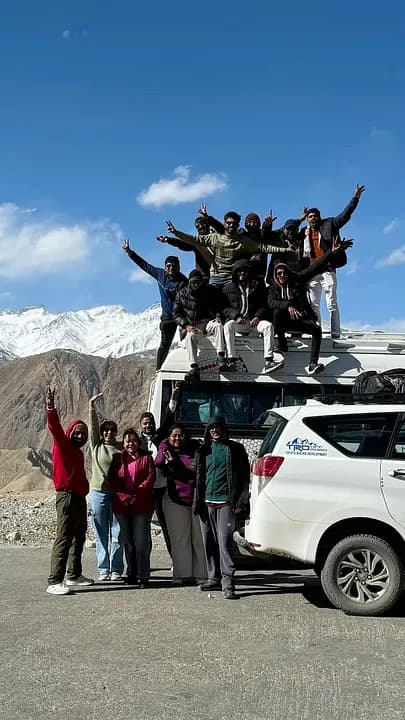
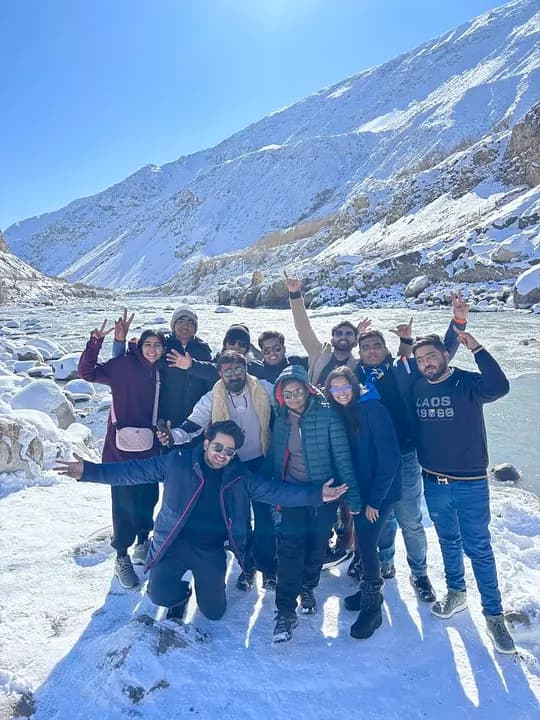
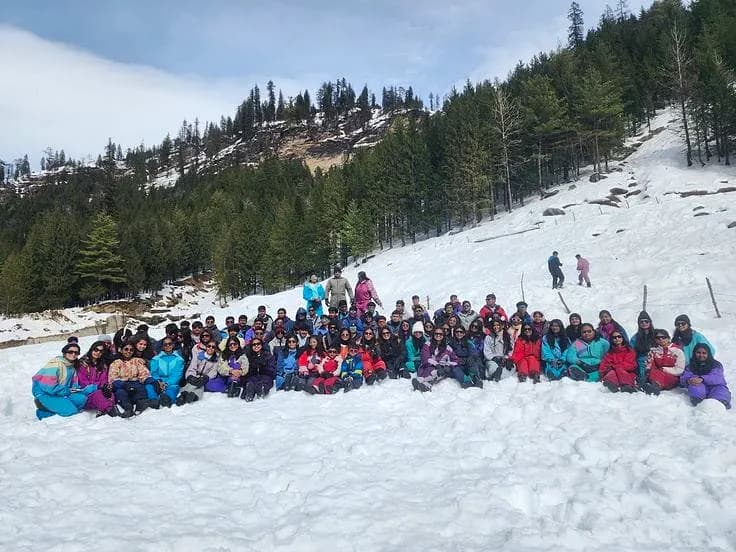
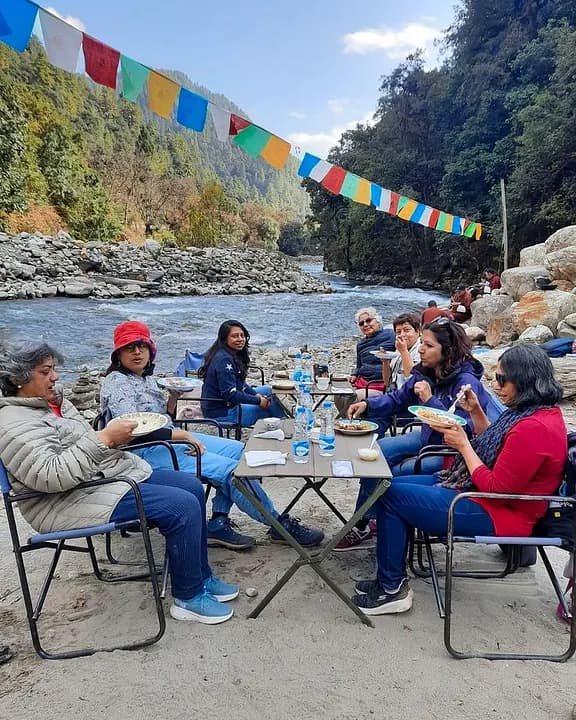
Photographs travellers sent back from their trips. Real families, real places — not a stock photo among them.